
Why Most Outdoor Heaters Die (And How We Fixed Ours)
Let’s be honest: outdoor heaters take a beating. Between the humidity, salt air, and those wild temperature swings, most units are fighting a losing battle. Usually, the heating element burns out or the electronics fry way before they’re actually supposed to. We got tired of seeing that happen. So, we rebuilt our infrared line to stop those failures before they even start.
The Problem with “Fog”
When you see fogging on a heater, it’s not just an eyesore. It’s a warning. That moisture settles on the quartz tube and the reflector. When a tiny drop of water hits a scorching hot element, it creates a “thermal shock.” It’s like pouring ice water into a hot pan—you get these microscopic cracks in the glass. Eventually, the tube just gives up. To fix this, we added a hydrophobic coating and a sealed housing. Basically, we make sure the water can’t pool in the first place. Keep the surface dry, and the tube stays alive.
Keeping the Rain Out
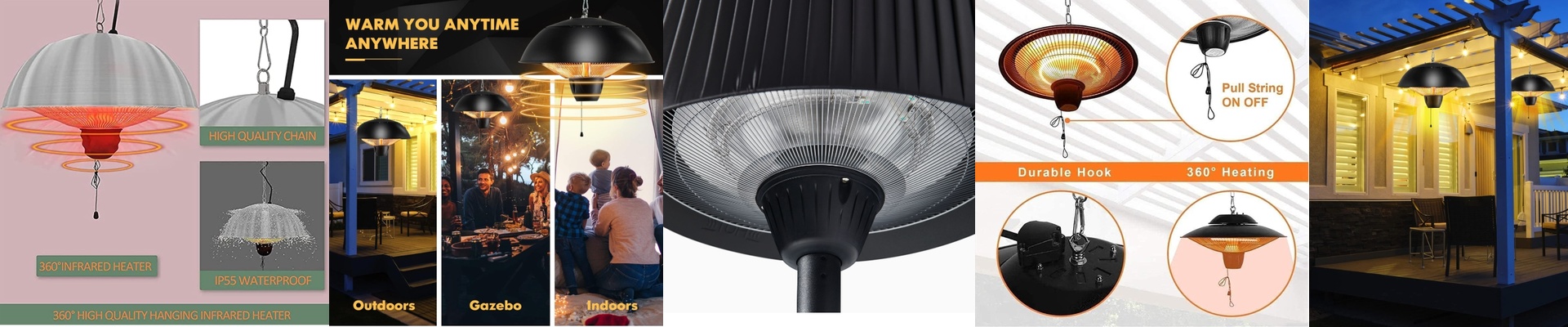
Then there’s the rain. Whether it’s a sudden downpour or wind-driven spray, water loves to find a way into the wiring. One leak in a terminal and you’ve got a short circuit. Simple as that. We used heavy-duty silicone gaskets and reinforced seals at every single joint. We gave these units a high IP rating, which is just a fancy way of saying the guts of the machine are totally isolated from the weather. The electricity stays where it belongs, and your heater keeps humming.
One Little Catch…
Here is the thing: when you seal a unit up tight to keep water out, it doesn’t “breathe” the same way. Because the chassis is so well-protected, some of that heat can get trapped inside. This is why you can’t just shove these units into a tight, recessed ceiling and call it a day. They need a little bit of room to breathe. If you pack them in too tightly, you risk overheating the internal controller. Just use the mounting brackets we provide to keep that required clearance. Do that, and your heaters will actually last as long as they’re supposed to. No constant replacements, no dead zones in your venue—just warmth that actually sticks.